Democrats Prepare Sweeping Workplace Agenda and Agency Oversight Push
Incoming congressional Democrats plan to elevate federal labor policy, retirement rules, and state-level workplace mandates despite legislative hurdles.
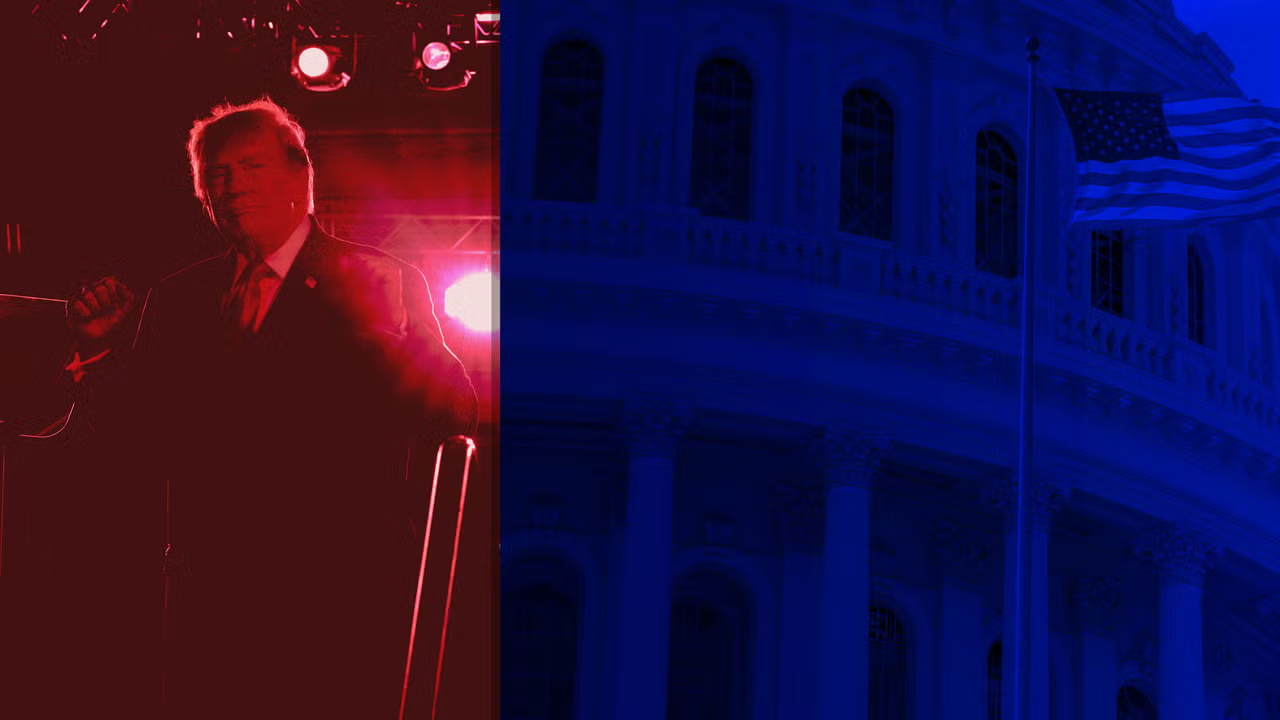
Congressional Democrats are assembling an expansive workplace and labor policy agenda for the incoming legislative session, positioning wage standards, collective bargaining, and federal regulatory oversight at the center of the national economic debate, according to reporting from Fast Company and Bloomberg Law. While procedural hurdles in the Senate and presidential veto authority make the immediate enactment of new federal worker protections unlikely, party lawmakers are preparing to leverage committee oversight powers and parallel state-level majorities to challenge the Trump administration on employment policy.
For enterprise employers, human resources executives, and institutional retirement plan sponsors, the emerging strategy signals a bifurcated regulatory environment. Even if federal legislation stalls on Capitol Hill, heightened congressional scrutiny of labor enforcement agencies and an accelerated push for workplace mandates in key industrial states will require multi-state businesses to navigate complex compliance obligations across wages, leave policies, and fiduciary administration.
Legislative Priorities and Federal Agency Oversight
According to Bloomberg Law, the opening slate of Democratic legislation is expected to feature longstanding party priorities, including proposals to increase the federal minimum wage, establish mandatory paid sick leave, expand collective bargaining protections, and narrow the gender wage gap. Beyond traditional wage and hour measures, lawmakers are also considering bills that would lower barriers for employees seeking to file lawsuits over their retirement plans and close regulatory loopholes governing retirement investment advice.
Although the Senate filibuster and President Donald Trump's veto power present steep obstacles to passing such bills into federal law, Democratic lawmakers will hold oversight authority over the executive branch agencies responsible for enforcing federal labor and employment statutes. Those agencies include the Department of Labor, the Equal Employment Opportunity Commission (EEOC), and the National Labor Relations Board (NLRB).
"There's going to be a lot of oversight," Alexander MacDonald, cochair of Littler Mendelson P.C.'s Workplace Policy Institute, told Bloomberg.
Party lawmakers and labor leaders have already signaled plans to scrutinize several sub-agencies and policy shifts. At the Department of Labor's Occupational Safety and Health Administration (OSHA), critics have raised concerns regarding reduced enforcement capacity and the absence of a federal standard protecting workers from occupational heat exposure, Bloomberg reported. Additional oversight targets include the EEOC, which has recently prioritized cases focused on protecting white men, and the NLRB, which has adopted a more employer-friendly posture toward labor-management relations.
Retirement Plan Scrutiny and State-Level Compliance Impact
Financial services firms and corporate benefits administrators also face potential scrutiny through oversight of the Labor Department's Employee Benefits Security Administration (EBSA). Specifically, Democratic lawmakers are expected to examine the agency's consideration of rules that would permit private assets, such as private equity and private credit instruments, to be included within employer-sponsored 401(k) retirement plans. Coupled with legislative proposals to expand worker litigation rights over retirement plans, fiduciary governance is poised to remain a contentious issue for institutional plan sponsors and asset managers.
Simultaneously, the federal policy debate is expected to shape legislative calendars across state capitals following significant Democratic electoral gains on Nov. 3. Workplace mandates such as minimum wage increases and paid family leave programs, which have historically been concentrated in strongly Democratic states like California and New York, could now advance toward enactment in industrial battleground states including Michigan, Pennsylvania, and Wisconsin.
"We have concerns about all of them," Amanda Fisher, state director for the National Federation of Independent Business in Michigan, told Bloomberg, noting that small businesses "just don't have the staff or the resources to comply with these new mandates."
Strategic Outlook for Employers and Policy Regulators
Looking ahead, the interplay between federal oversight hearings and state-level legislative action will define the compliance landscape for U.S. employers over the coming session. At the federal level, aggressive committee investigations into OSHA, the EEOC, the NLRB, and EBSA will pressure agency officials to defend their enforcement priorities, rulemaking dockets, and staffing levels in public forums.
At the state level, business advocacy organizations are preparing to mount concerted opposition to new wage and leave mandates in newly competitive legislatures. For corporate legal departments and small business operators alike, monitoring statehouse developments in the Midwest and Mid-Atlantic regions will be critical as lawmakers translate national labor priorities into binding local statutes.