GM Spotlights 1990s EV1 Heritage to Challenge Tesla in US EV Market
General Motors is highlighting its 1990s Impact concept and EV1 sedan to reassert its electric vehicle pedigree against Tesla in the US automotive market.
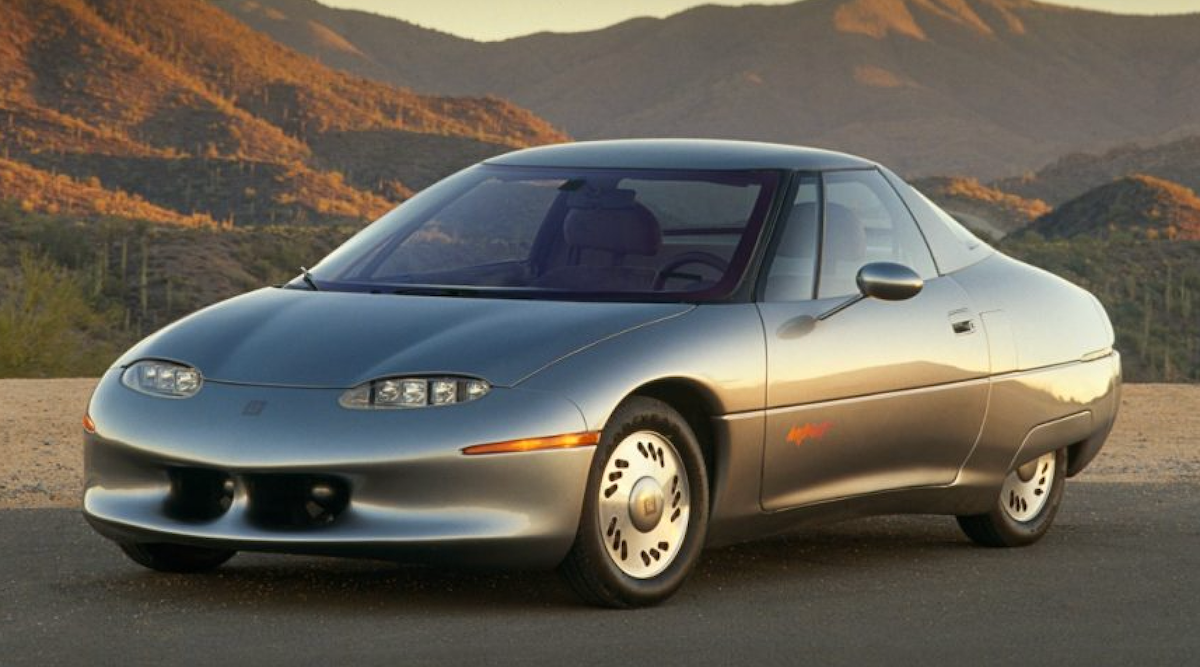
General Motors is actively campaigning to reclaim its historical credential as an electric vehicle pioneer from rival automaker Tesla, placing renewed public emphasis on its 1990s-era Impact concept vehicle and the subsequent EV1 production sedan, according to a report by CleanTechnica. The strategic messaging comes as competition intensifies across the United States electric vehicle market, including the contested electric pickup truck segment where Tesla's Cybertruck and General Motors' expanding electric lineup vie for consumer adoption and industry leadership.
Why this historical framing matters extends well beyond corporate nostalgia. In the capital-intensive transition toward zero-emission transportation, brand perception and technological legitimacy carry measurable weight with institutional investors, fleet buyers, and retail consumers. For nearly two decades, Tesla has largely monopolized the public narrative surrounding modern electric mobility. By drawing direct lineage between its current electrification architecture and the foundational engineering of the Impact concept and the EV1 sedan, General Motors aims to reframe its market position not as a legacy combustion automaker playing catch-up, but as an original architect of contemporary battery-electric propulsion.
Reclaiming the Legacy of the Impact Concept and EV1
As detailed in coverage by CleanTechnica, General Motors' celebration of the EV1 and the 1990s Impact concept represents a deliberate shift in how the Detroit automaker addresses its earliest modern electric vehicle programs. Originally introduced in the 1990s, the Impact concept served as the technological precursor to the EV1, the purpose-built two-seat electric coupe that General Motors leased to consumers in select American markets during the late 1990s. For years, the eventual cancellation of the EV1 program and the reclamation of the leased fleet were cited by industry critics as symbols of Detroit's hesitation to embrace full electrification.
By openly commemorating the engineering milestones of the Impact and the EV1 today, General Motors is attempting to neutralize that long-standing critique while simultaneously challenging Tesla's claim as the sole catalyst of the modern electric vehicle era. The propulsion systems, aerodynamic profiling, and power electronics developed for the Impact concept and the EV1 established crucial technical baselines that influenced subsequent generations of electric drivetrains across the broader automotive sector.
Competitive Dynamics in the US Electric Pickup and Passenger Segments
The renewed emphasis on historical innovation coincides with a pivotal phase in the United States electric vehicle market, particularly within the high-margin electric pickup and utility segments referenced in CleanTechnica's analysis of US market sales and Tesla's Cybertruck. Electric pickups have emerged as a critical battleground between legacy manufacturers and pure-play electric automakers. While Tesla sought to redefine the pickup category with the unconventional stainless-steel architecture of the Cybertruck, General Motors has pursued a multi-brand strategy across its Chevrolet, GMC, and Cadillac divisions, deploying electric trucks and sport utility vehicles aimed at both commercial fleets and traditional retail truck buyers.
In the broader United States market, sales trajectories for battery-electric vehicles have required automakers to differentiate their offerings not only on range, charging speed, and pricing, but also on long-term manufacturing reliability and engineering depth. Highlighting more than three decades of internal research and development—stretching back to the 1990s Impact program—allows General Motors to underscore its institutional knowledge in battery management, thermal efficiency, and vehicle integration as buyers weigh competing options from Tesla and other domestic and international manufacturers.
Strategic Outlook for Legacy Automakers and EV Market Share
Looking ahead, the rivalry between General Motors and Tesla in the United States electric vehicle sector will continue to be shaped by both technological execution and narrative control. While commemorating the EV1 sedan and the Impact concept reinforces General Motors' historical role in automotive electrification, sustained market share gains will ultimately depend on production scale, charging infrastructure interoperability, and cost competitiveness across passenger cars and electric pickups.
As American consumers and commercial operators evaluate the next wave of electric vehicles, the convergence of heritage branding and contemporary product delivery signals a maturing marketplace. In this environment, Tesla no longer operates unchallenged in defining the future—or the past—of electric mobility in the United States, as General Motors leverages its foundational 1990s engineering milestones to anchor its ongoing electrification offensive.