Legacy Automakers Face Margin Squeeze Ahead of Tighter 2027 Market
Rising commodity, logistics, and semiconductor memory expenses collide with weakening consumer pricing power across the global automotive sector.
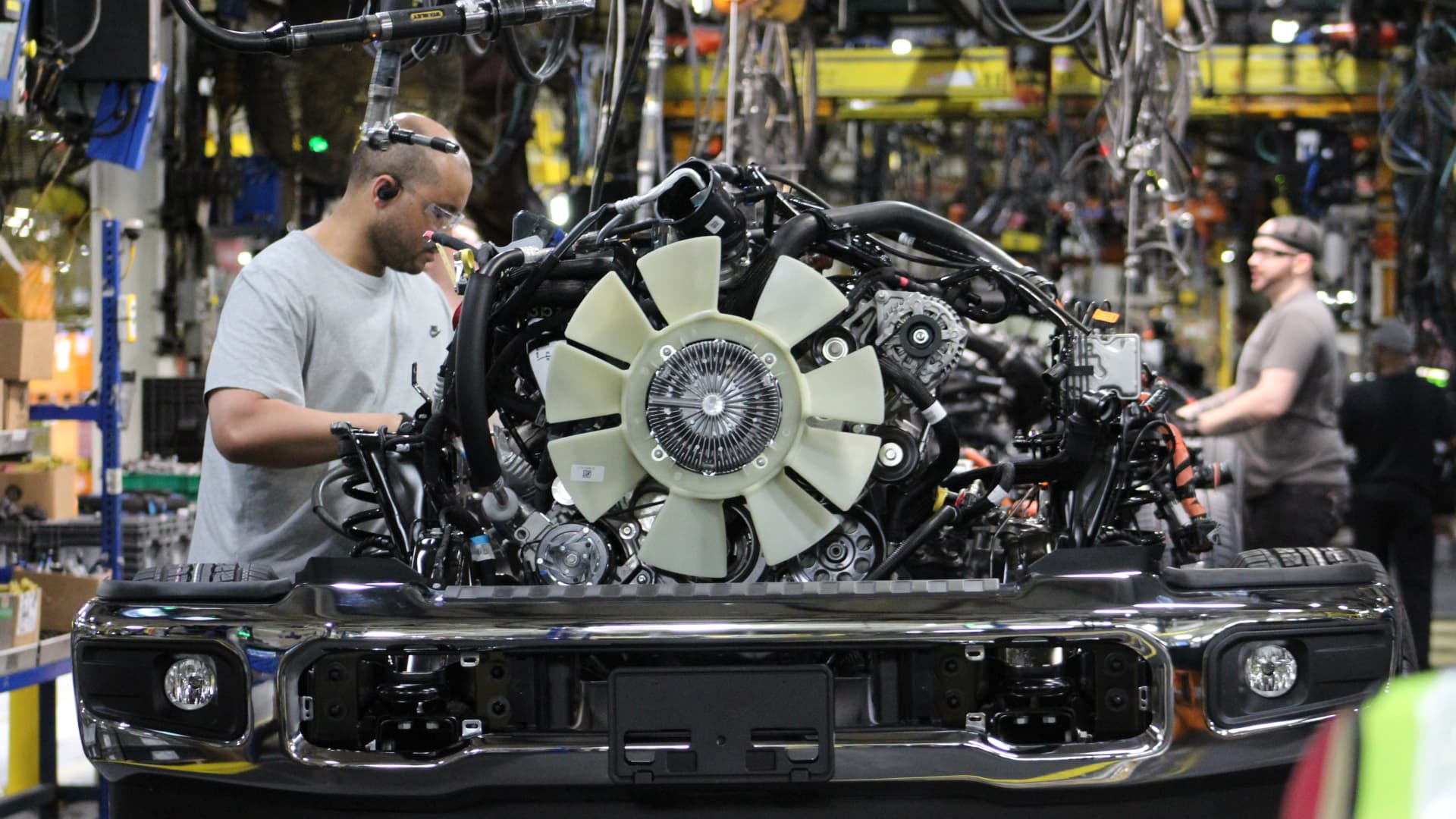
Legacy automakers are bracing for a challenging operational landscape in 2027 as escalating input costs coincide with a tightening consumer market and stagnating production volumes, according to a report by CNBC Business. Across the global automotive sector, manufacturers have begun issuing warnings that rising expenses for raw commodities, freight logistics, and semiconductor memory components are compressing operating margins at a time when consumers are increasingly resistant to further vehicle price hikes.
The convergence of supply-side cost inflation and demand-side price sensitivity marks a critical inflection point for traditional vehicle manufacturers. Following several post-pandemic years characterized by inventory shortages that allowed carmakers to command record transaction prices and prioritize high-margin models, the industry's primary profit engine—pricing power—is visibly eroding. For capital markets and enterprise suppliers, the shift signals a transition from top-line revenue expansion to defensive cost discipline and balance sheet preservation heading into the 2027 fiscal cycle.
Supply Chain Inflation and Component Pressures
According to disclosures analyzed by CNBC Business, the cost headwinds confronting legacy original equipment manufacturers stem from three distinct operational categories: industrial commodities, global logistics networks, and advanced electronic memory. While raw material expenses had moderated from earlier cyclical peaks, renewed volatility in metals and manufacturing inputs is once again pressuring procurement budgets across major assembly hubs.
Automakers are warning about higher commodity, logistics and memory costs, while pricing power is becoming harder to extend to consumers.
Compounding the pressure on traditional raw materials is the rising cost of semiconductor memory. Modern internal combustion, hybrid, and electric vehicles increasingly rely on software-defined architectures, advanced driver-assistance systems, and digital infotainment platforms that require substantial memory capacity. As technology hardware manufacturers compete with the automotive industry for high-performance memory chips, legacy carmakers face elevated component bills of materials that cannot be easily offset through traditional supplier negotiations. Simultaneously, freight and distribution logistics remain a persistent source of expense volatility, adding cost at both the inbound component stage and outbound vehicle delivery networks.
Eroding Pricing Power and Flat Production Volumes
The operational impact of rising input costs is magnified by a stagnant volume outlook for 2027. As noted in the CNBC Business coverage, flat production schedules leave manufacturers with limited ability to absorb higher fixed and variable expenses through economies of scale. When assembly plants operate without volume growth, per-unit manufacturing costs rise whenever supplier and logistics inputs climb.
Historically, legacy automakers mitigated input inflation by adjusting manufacturer suggested retail prices or reducing dealer incentives. However, sustained high borrowing costs and cumulative vehicle price appreciation over recent years have stretched household budgets, leaving retail buyers unwilling or unable to absorb additional markups. With dealer inventories normalized and competitive pressures intensifying across global markets, manufacturers attempting to pass commodity or memory costs directly to showroom floors risk immediate market share losses. Consequently, automotive executives are forced to absorb a larger share of supply chain inflation directly within their operating margins.
Strategic Outlook for the 2027 Automotive Cycle
Looking ahead to 2027, the inability to rely on retail price increases or production volume expansion will compel legacy automakers to restructure their capital allocation and manufacturing strategies. Industry analysts expect management teams to prioritize internal efficiency programs, platform consolidation, and stricter working capital controls to defend cash flow generation during a period of flat output.
Furthermore, the squeeze between rising electronic component costs and capped retail pricing is likely to accelerate reassessment of vehicle trim complexity and software hardware procurement. Automakers that successfully renegotiate long-term logistics contracts, hedge commodity exposure, and streamline electronic architectures will be best positioned to weather the 2027 margin compression. Until consumer purchasing power recovers or input inflation subsides, earnings growth across the legacy automotive sector will depend almost entirely on structural cost execution rather than market expansion.