Small Retailers Face Holiday Margin Squeeze as Shipping Costs Surge
Surging fuel prices drive up holiday freight rates, forcing small and midsize merchants to navigate severe cost pressures during peak retail demand.
Small and medium-sized retailers are preparing for a challenging holiday shopping season as surging shipping costs, driven by elevated fuel prices, threaten to erode fourth-quarter operating margins, according to a report by CNBC Business. While peak seasonal shopping traditionally provides independent merchants with their most critical revenue window of the year, escalating logistics expenses are creating what industry observers characterize as a significant financial headwind for smaller commercial enterprises.
The spike in fulfillment expenses carries broad implications for the retail sector and consumer supply chains. Unlike multinational retail conglomerates that can leverage massive shipping volumes to negotiate long-term discounted carrier contracts, independent and midsize businesses operate with limited pricing power. When fuel surcharges and seasonal peak delivery fees rise simultaneously, smaller merchants must either absorb the heightened transport costs at the expense of profitability or pass those increases along to price-sensitive consumers.
Fuel Volatility and the Small-Business Cost Structure
According to CNBC Business, high fuel prices serve as a primary catalyst behind the current surge in shipping rates. Freight carriers and parcel delivery networks routinely adjust their fuel surcharges in response to energy market fluctuations, creating an unpredictable cost environment for businesses reliant on both inbound inventory freight and outbound last-mile parcel delivery. For smaller merchants, these variable logistics expenses represent a substantially larger share of total unit economics than they do for major big-box competitors.
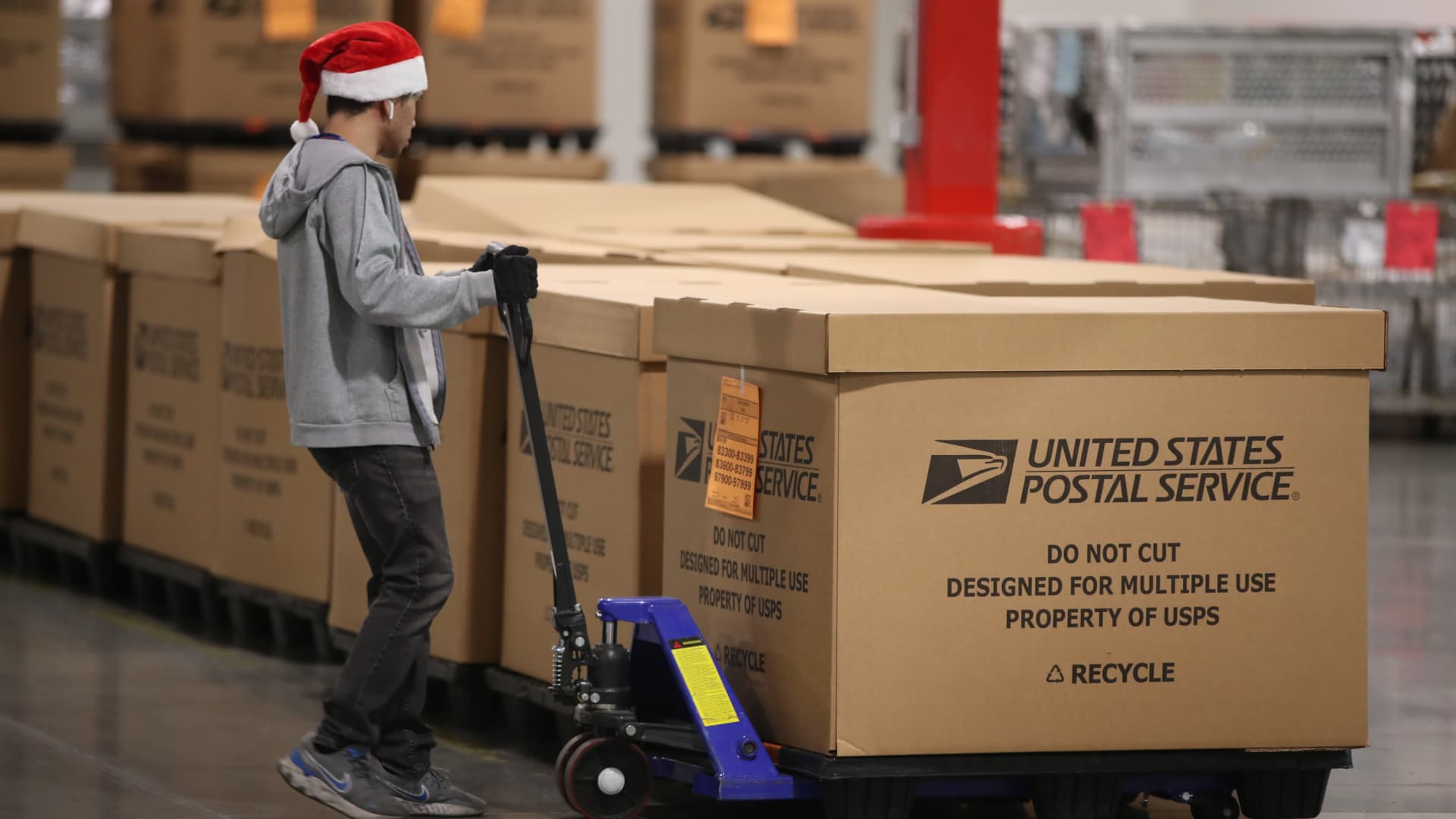
As shipping costs surge due to high fuel prices, smaller and medium-sized retailers struggle to keep up, facing a difficult holiday season and bracing for a huge hit to their bottom lines.
Beyond direct carrier fees, elevated energy costs ripple through the entire retail supply chain. Packaging materials, warehousing operations, and regional distribution transfers all reflect higher transportation inputs. Small businesses, which frequently operate on tighter working capital cycles and leaner inventory buffers, have fewer structural mechanisms to hedge against sudden spikes in distribution overhead.
Operational and Economic Impact on Peak Retail
The operational strain arrives at a pivotal juncture for the commercial sector. Fourth-quarter holiday sales often account for a disproportionate share of annual gross merchandise value for independent retailers. When fulfillment expenses climb sharply during this period, higher gross sales volume does not automatically translate into net earnings growth. Every parcel shipped under elevated peak-season and fuel-adjusted rate tables compresses the contribution margin per order.
This dynamic intensifies competitive asymmetries across e-commerce and brick-and-mortar channels. Consumers conditioned by major online marketplaces to expect free or heavily subsidized expedited shipping rarely tolerate high checkout delivery fees from smaller storefronts. Consequently, midsize merchants face a difficult strategic trade-off: raising minimum order thresholds for free shipping risks cart abandonment and lost market share, while maintaining subsidized shipping directly reduces cash flow needed for post-holiday restocking and debt service.
Furthermore, small retailers ordering late-season inventory replenishments often encounter compounded freight charges. Expedited restocking shipments required to prevent stockouts on high-demand seasonal goods carry premium transit rates, amplifying the financial pressure on merchants who cannot afford to warehouse vast quantities of stock months in advance.
Strategic Outlook for Independent Merchants
Looking ahead through the remainder of the holiday quarter and into the new fiscal year, small and medium-sized retailers are expected to focus heavily on fulfillment optimization and localized distribution strategies. Merchants are increasingly evaluating regional parcel carriers, consolidated freight options, and in-store pickup incentives to mitigate last-mile delivery expenses. By encouraging local foot traffic or buy-online-pickup-in-store transactions, businesses can bypass parcel fuel surcharges entirely on a portion of their holiday volume.
Nevertheless, the trajectory of energy prices and carrier rate adjustments will remain a decisive variable for small-business resilience. Until fuel markets stabilize and freight capacity costs normalize, independent retailers will need to exercise strict inventory discipline and pricing agility to protect their balance sheets through the peak shopping season.