Velotric Expands US Micro-Mobility Lineup With GoMad Utility eBike
Velotric strengthens its position in the U.S. electric bicycle market with the GoMad utility model, highlighting the shift toward diversified micro-mobility fleets.
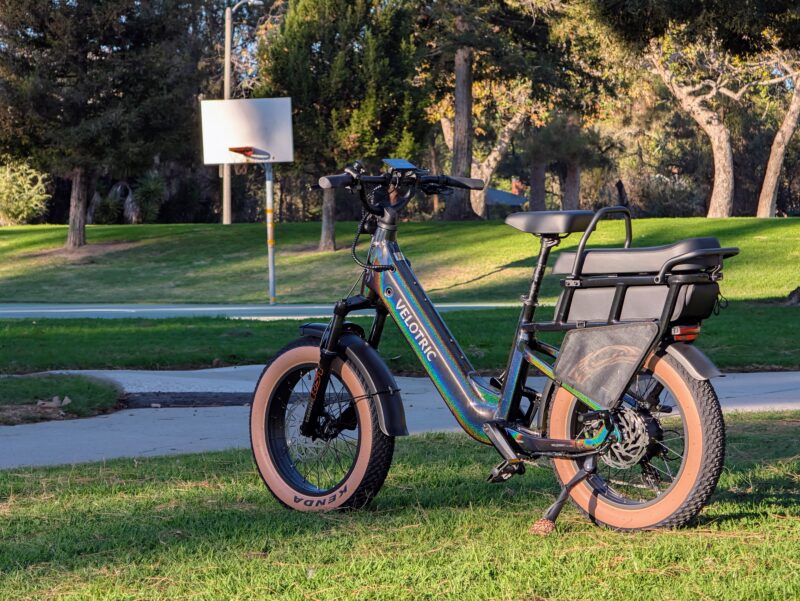
Velotric has introduced and subjected its GoMad electric utility bicycle to independent field evaluation, underscoring the company's emergence as one of the largest electric bicycle brands in the United States, according to a product assessment published by CleanTechnica. By expanding its catalog to encompass specialized utility configurations alongside standard commuter models, the manufacturer is targeting American consumers who increasingly prioritize portfolio breadth and tailored mechanical capabilities when selecting personal electric transportation.
The proliferation of purpose-built utility e-bikes carries broader implications for the North American micro-mobility sector and urban decarbonization efforts. As consumer adoption matures beyond recreational riding into daily cargo transport and car-replacement duties, manufacturers that offer segmented product tiers—ranging from lightweight urban commuters to heavy-duty utility frames—are capturing a larger share of retail distribution channels and consumer spending.
Portfolio Diversification in the U.S. Market
According to CleanTechnica's evaluation of the GoMad model, Velotric's rise within the competitive U.S. electric bicycle landscape has been driven by its strategy of offering a wide range of models with distinct operational capabilities. Rather than relying on a single flagship frame to serve all demographics, the brand has structured its lineup so prospective buyers can match specific payload, geometry, and drivetrain requirements to their local terrain and daily utility needs.
"Having a wide range of models with differing capabilities is increasingly a key factor for buyers when deciding which ebike to buy," CleanTechnica noted in its technical review of the Velotric GoMad.
This segmentation reflects a structural transition across the personal electric vehicle market. Early-stage e-bike manufacturers frequently competed on direct-to-consumer price points using generic frame geometries. However, as regulatory classifications across U.S. municipalities have standardized around three-tier speed and throttle frameworks, buyers have grown more discerning regarding ergonomics, load-carrying stability, and multi-environment versatility. A comprehensive model matrix enables a single brand to retain customers who may initially purchase an entry-level cruiser and subsequently upgrade to a ruggedized utility platform like the GoMad.
Operational Impact of Utility Micro-Mobility
The utility e-bike category represents one of the fastest-evolving segments within clean transportation hardware. Unlike conventional bicycles retrofitted with aftermarket racks, dedicated electric utility models are engineered around reinforced chassis structures, extended wheelbases or compact fat-tire geometries, and motor controllers calibrated for low-end torque delivery under load. When subjected to real-world testing by publications such as CleanTechnica, these platforms are evaluated on their ability to replace short-haul internal combustion vehicle trips for errands, commuting, and light commercial delivery.
From an economic perspective, expanding model variety also strengthens dealer network viability and brand resilience. Physical bicycle retailers and regional service centers often prefer partnering with manufacturers that can supply an entire showroom floor—covering folding bikes, step-through commuters, trail-capable hybrids, and utility haulers—under unified warranty, battery diagnostic, and spare-parts protocols. By positioning the GoMad within a broader family of electric two-wheelers, Velotric reduces customer acquisition friction while addressing the practical durability demands of everyday riders.
Strategic Outlook for Electric Two-Wheelers
Looking ahead, competition within the U.S. electric utility bicycle market is expected to intensify as both established cycling incumbents and direct-to-consumer specialists vie for market share. Continued growth in the segment will depend on compliance with evolving battery safety standards, such as UL 2849 certification mandates in major metropolitan jurisdictions, as well as municipal investments in protected cycling infrastructure.
As state and local incentive programs increasingly subsidize electric bicycles as cost-effective climate technology, brands that combine rigorous third-party testing validation with broad model availability are positioned to lead the next phase of American micro-mobility adoption. The rollout and testing of the Velotric GoMad illustrate how functional specialization has become a central pillar of product strategy in the clean transportation economy.